The term "Deepfake" combines "Deep Learning" and "Fake." It refers to synthetic media—videos, audio, or photos—created by artificial intelligence to make it look like someone said or did something they never actually did.
1. How Does it Work? (The Generator vs. The Discriminator)
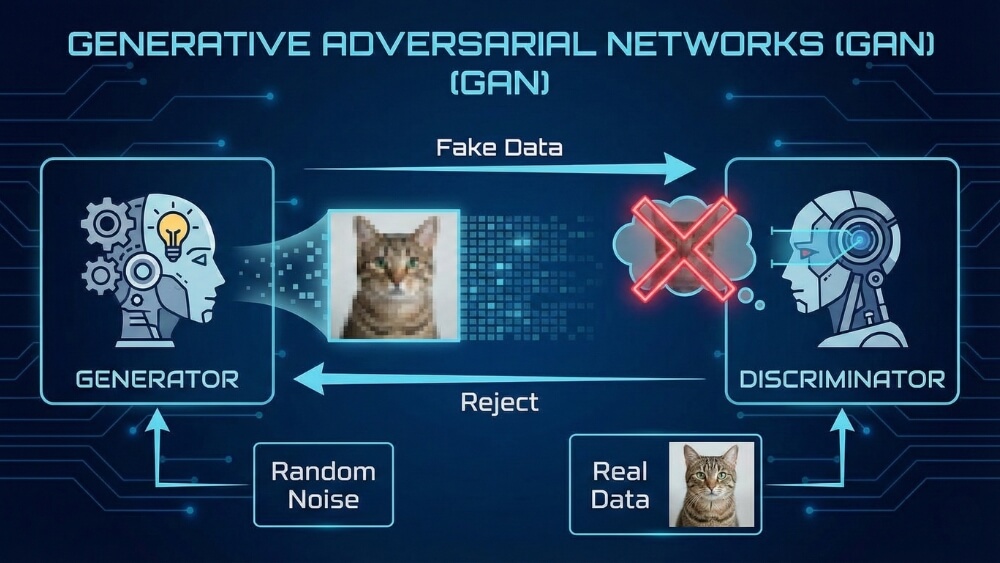
Deepfakes are built using a specific AI architecture called GANs (Generative Adversarial Networks). Imagine two AI models locked in a digital room together:
1. The Generator: Its job is to create a fake image from scratch.
2. The Discriminator: Its job is to act as a judge, comparing the fake against real photos to spot flaws.
They repeat this loop millions of times. The Discriminator points out errors (like unnatural eyes), and the Generator fixes them. This cycle continues until the Generator becomes so skilled that the internal Discriminator can't find a mistake. That is when the deepfake is released to the internet—and where independent forensic tools like ours step in to detect the subtle artifacts that the Discriminator missed.
2. Types of Deepfakes
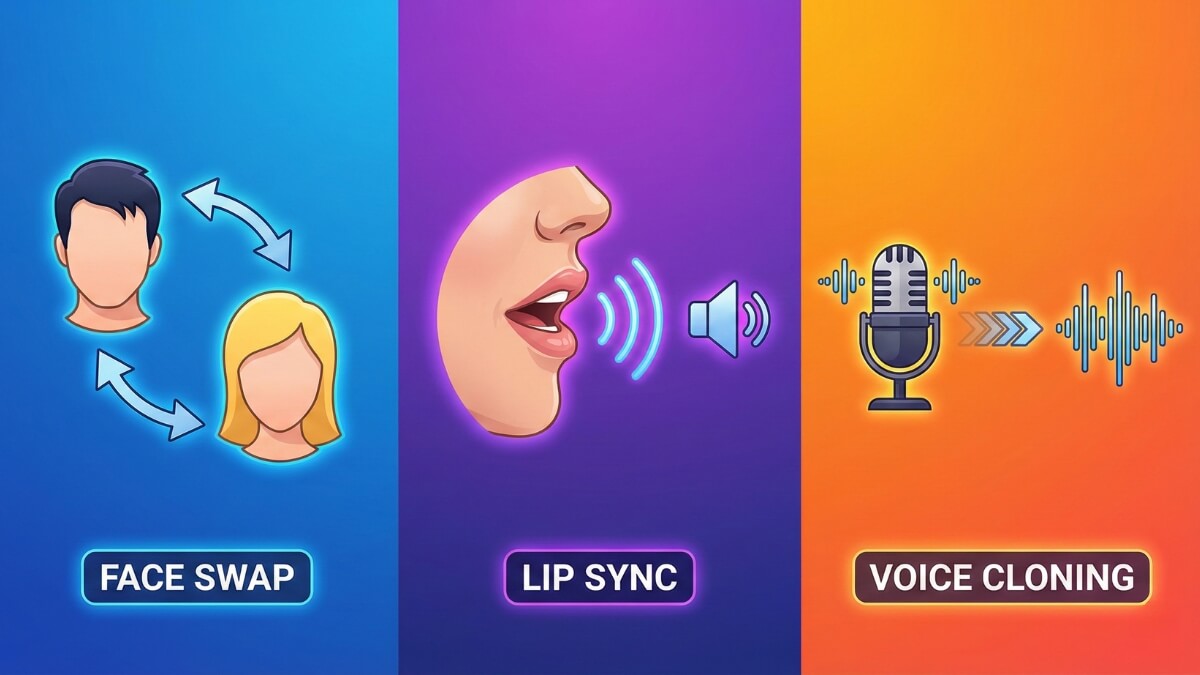
Deepfakes are not just face-swaps. They come in three main forms:
- Face Swapping: Replacing one person's face with another (most common).
- Lip Syncing: Keeping the original face but using AI to change the mouth movement to match a new audio track.
- Voice Cloning: AI that listens to 3 seconds of your voice and can then speak any sentence sounding exactly like you.
3. Is All Deepfake Tech Bad?
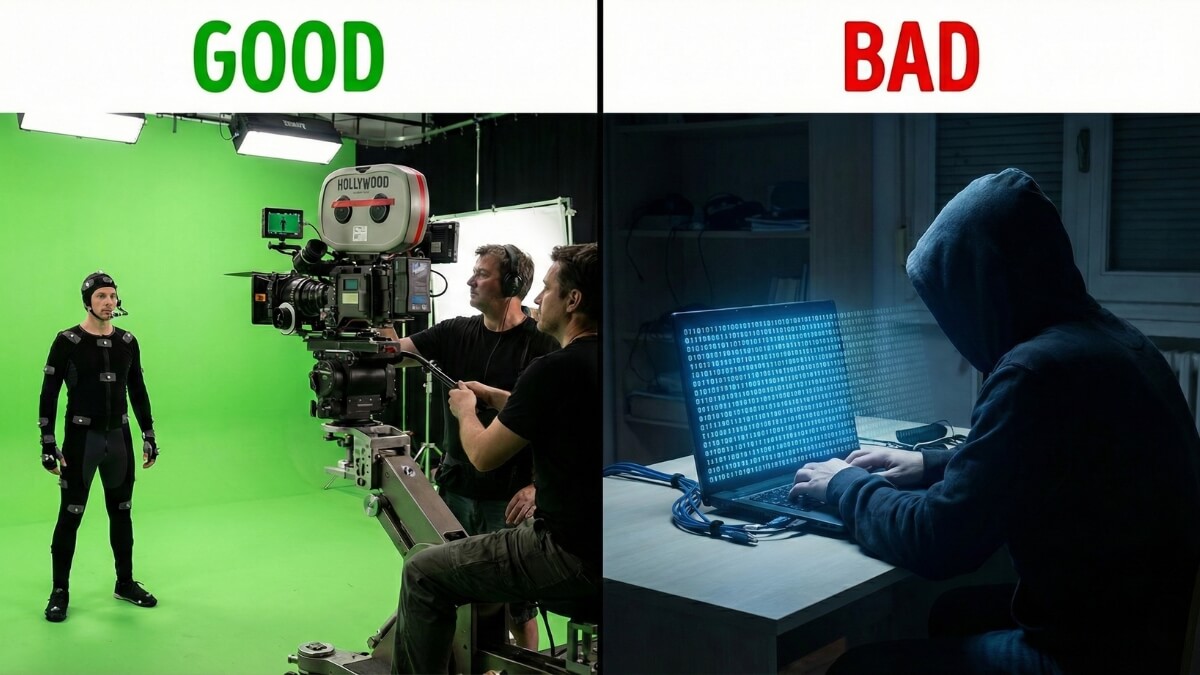
No. The technology itself is neutral. Hollywood uses it to de-age actors (like in The Irishman or Star Wars). Museums use it to bring historical figures to life for education. The danger lies in democratization—now anyone with a laptop can create convincing fakes, not just big studios.
4. The Rise of "Cheapfakes"
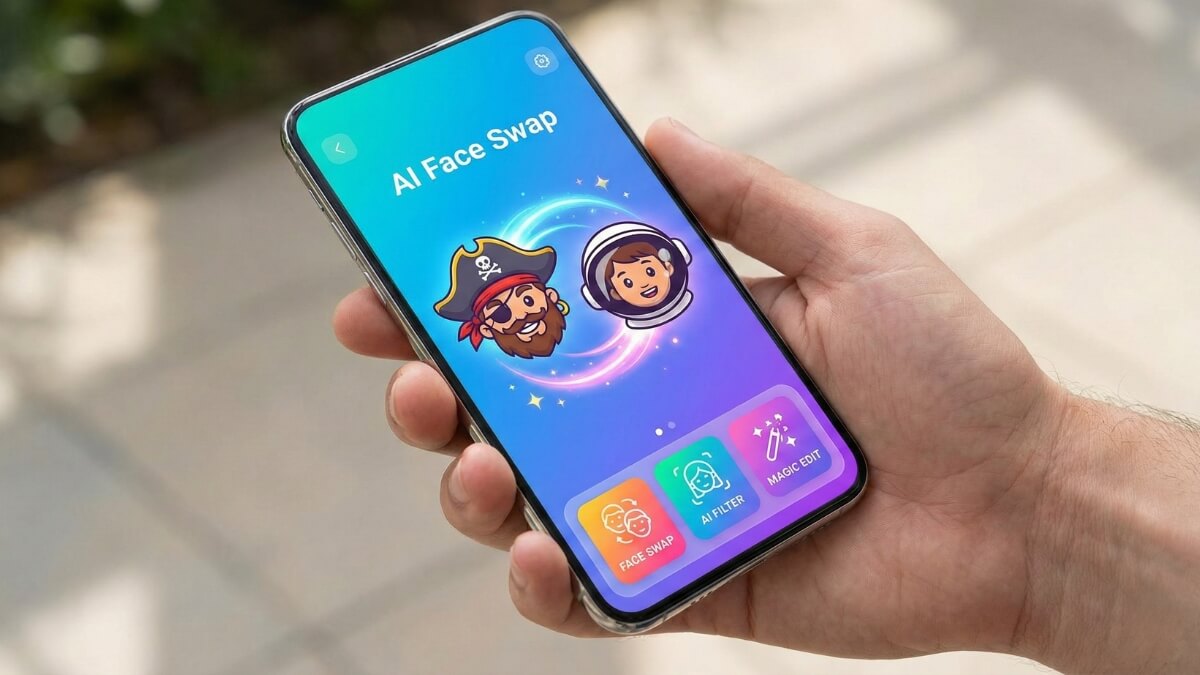
You no longer need a supercomputer to make a deepfake. Dozens of mobile apps now allow users to swap faces in seconds. While mostly used for memes and fun, these "cheapfakes" can still cause reputational damage if used for bullying or harassment.
5. Can AI Detectors Spot Them?
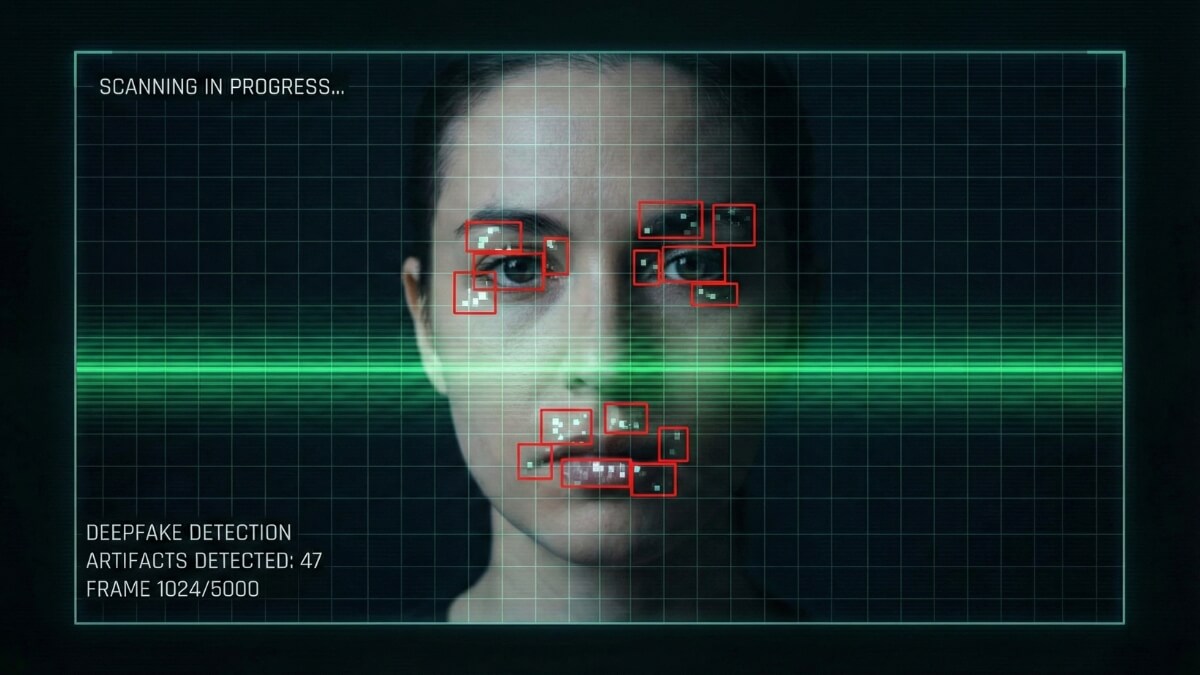
Yes. While deepfakes look real to humans, they leave digital artifacts. GANs often struggle with blinking, reflections in the eyes, and consistent skin textures. Forensic tools like ours analyze the video frame-by-frame to find these mathematical errors.
Curious if a video is AI?
Don't guess. Use our advanced forensic scanner to find out the truth.
TRY DEEPFAKE DETECTOR