The technology to swap faces is now available to everyone, but the laws are still catching up. Is it illegal to make a deepfake? The answer is complex and depends heavily on how the deepfake is used.
1. The Current Legal Landscape
There is no single "Global AI Law" yet. However, regions like the EU (with the AI Act) and states in the US (like California and New York) are passing strict laws. These laws primarily target "Malicious Deepfakes"—content designed to harm a reputation or influence an election.
2. The Issue of Consent
The biggest ethical breach in deepfake technology is consent. Using someone's likeness (their face or voice) without their permission for commercial gain is a violation of their "Right of Publicity." If you create an ad using a fake Tom Cruise, you will likely get sued.
3. Non-Consensual Explicit Content
This is the darkest side of AI. Creating explicit material using a real person's face (often called NCII) is illegal in many jurisdictions like the UK and parts of the USA. Platforms are now using hash-matching technology to ban this content instantly.
4. Protecting Your Identity
How do you stop someone from deepfaking you?
- Limit Public Photos: The more high-res photos you have on Instagram, the easier you are to model.
- Watermarking: New tools like "Nightshade" or "Glaze" add invisible noise to your photos that confuse AI models.
- Private Profiles: Keep your personal social media accounts private to limit data scraping.
5. What to Do if You Are Targeted
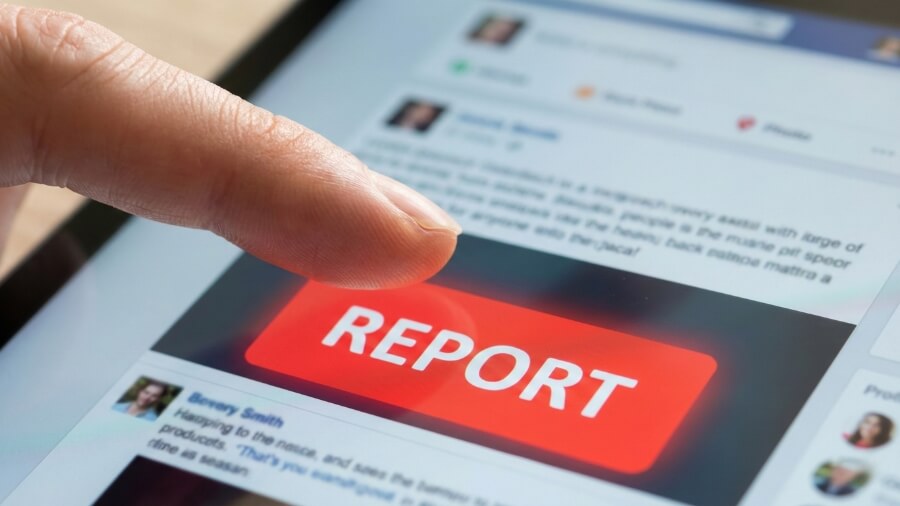
If you find a deepfake of yourself: 1. Do not engage: Comments boost the algorithm. 2. Report it: Use the "Report" function and select "Impersonation." 3. Scan it: Use an AI Detector to prove it is fake, then save that proof for potential legal action.
Need proof that a video is fake?
Generate a forensic analysis report instantly with our free tool.
GET FORENSIC PROOF