Social media feeds are flooded with "synthetic media." From virtual influencers who don't exist to AI-generated voiceovers on YouTube Shorts, it is getting harder to know who to follow. Here is how to spot the fakes on your favorite platforms.
1. Instagram: The "Perfect Face" Filter
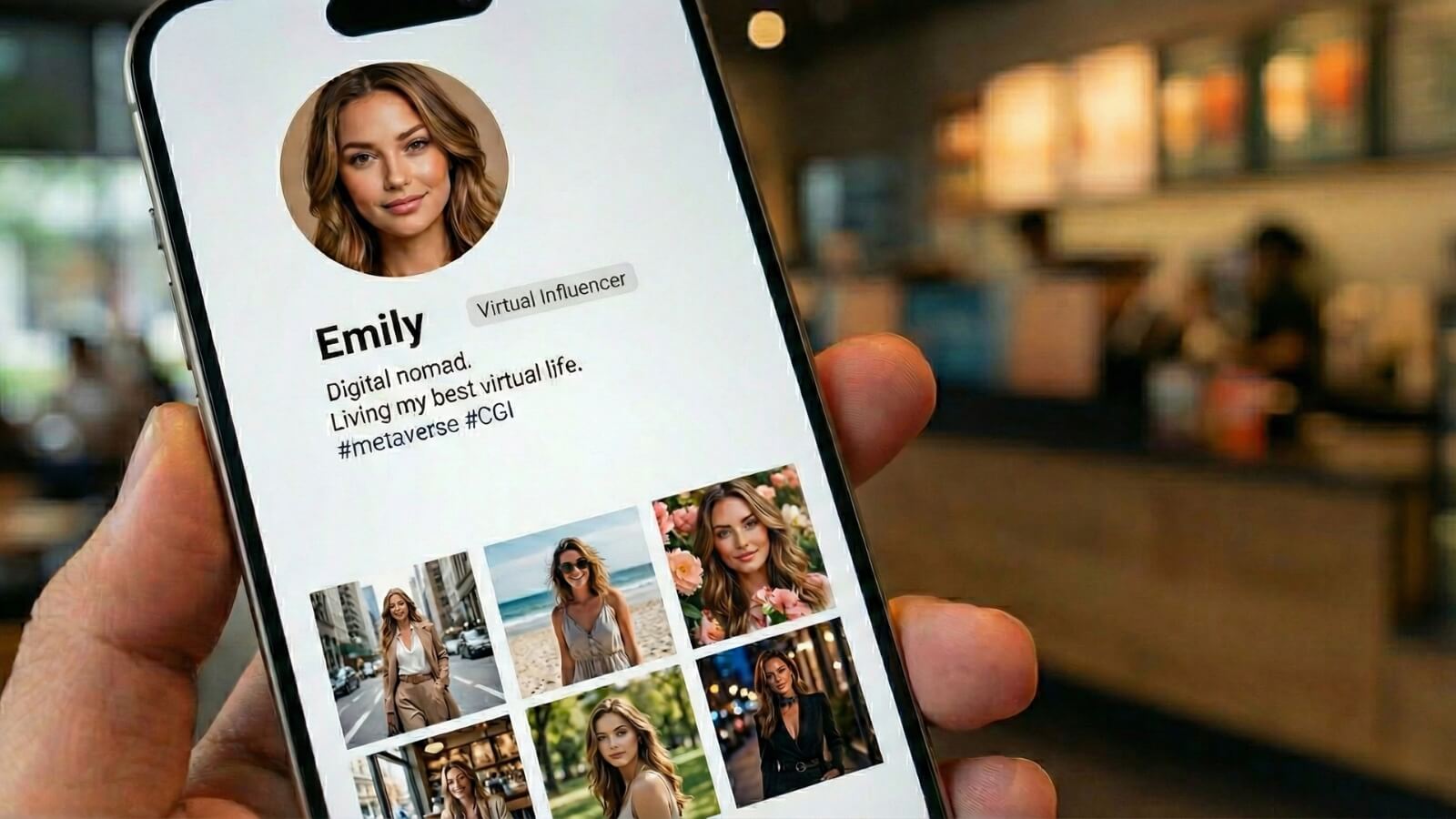
Instagram is home to "Virtual Influencers" like Lil Miquela. While some are honest about being robots, others are not. Look for skin that has zero texture (no pores, no wrinkles) and eyes that reflect light perfectly evenly. If the background looks slightly blurred or warped while they dance, it's likely an AI overlay.
2. TikTok: The Loop Glitch
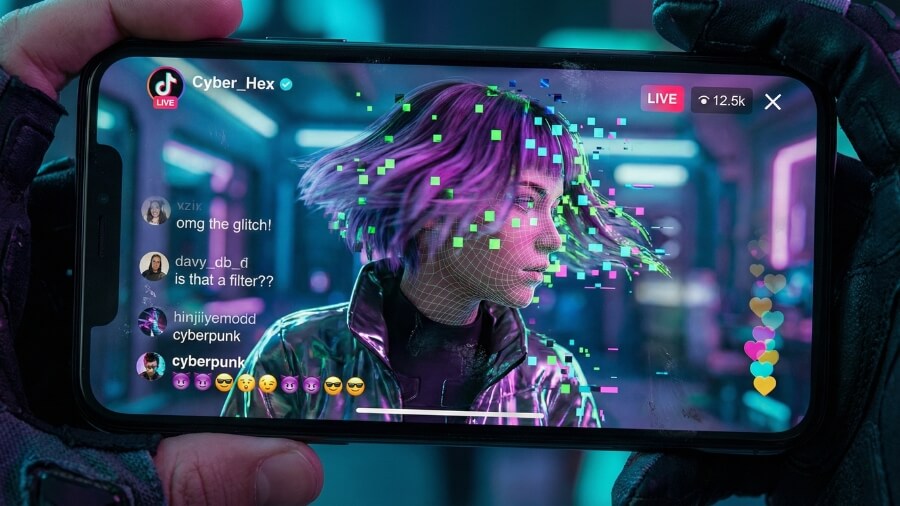
On TikTok, AI-generated content often appears in "Live" streams. Because real-time deepfaking takes a lot of computing power, these streams often glitch when the person turns their head quickly. Watch the jawline and the hair—if it flickers or detaches from the face, it is a filter.
3. YouTube Shorts: The Faceless Narrator
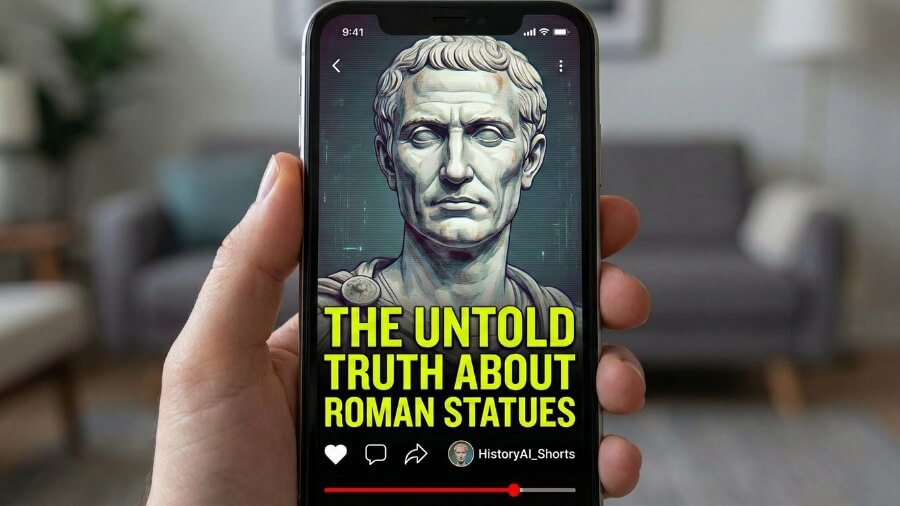
Have you seen channels that post 10 videos a day with a robotic voice? These are "Automation Channels." They use AI to write the script, AI to generate the images (Midjourney), and AI to read the voiceover (ElevenLabs). While not always malicious, they are low-effort synthetic content.
4. Audio Deepfakes: Don't Trust Your Ears
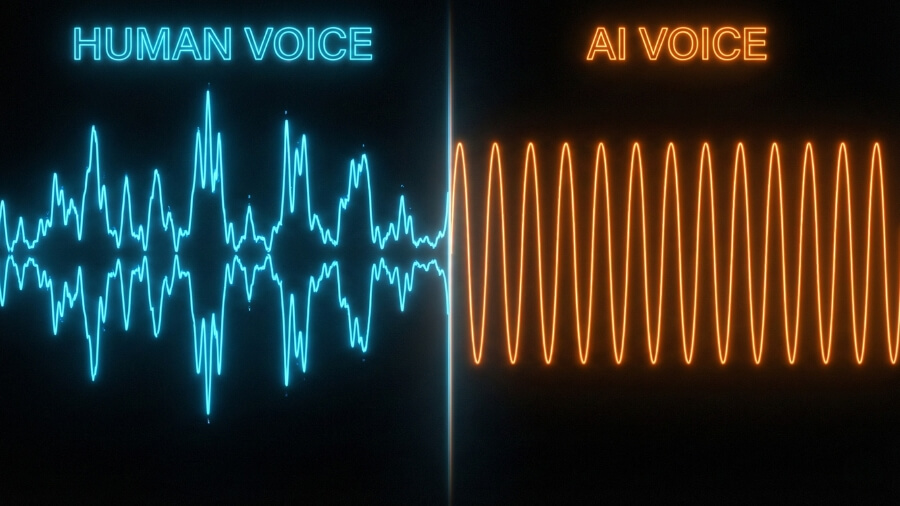
The most dangerous trend on social media right now is audio cloning. Scammers clone the voice of a loved one or a celebrity to ask for money. If you hear a shocking audio clip on X (Twitter) or WhatsApp, check if the person is breathing naturally. AI voices often forget to take breaths between long sentences.
5. Use a Link Scanner

The best way to be sure is to use a forensic tool. Our platform allows you to paste the link of any public Instagram Reel, TikTok, or YouTube Short directly into the scanner to analyze the video file for deepfake artifacts.