We are living in the age of "Synthetic Reality." With the rise of tools like Midjourney v6 and OpenAI's Sora, creating fake news is no longer hard—it's instant. But what happens when we can no longer trust what we see?
1. The Viral Speed of Fake Content
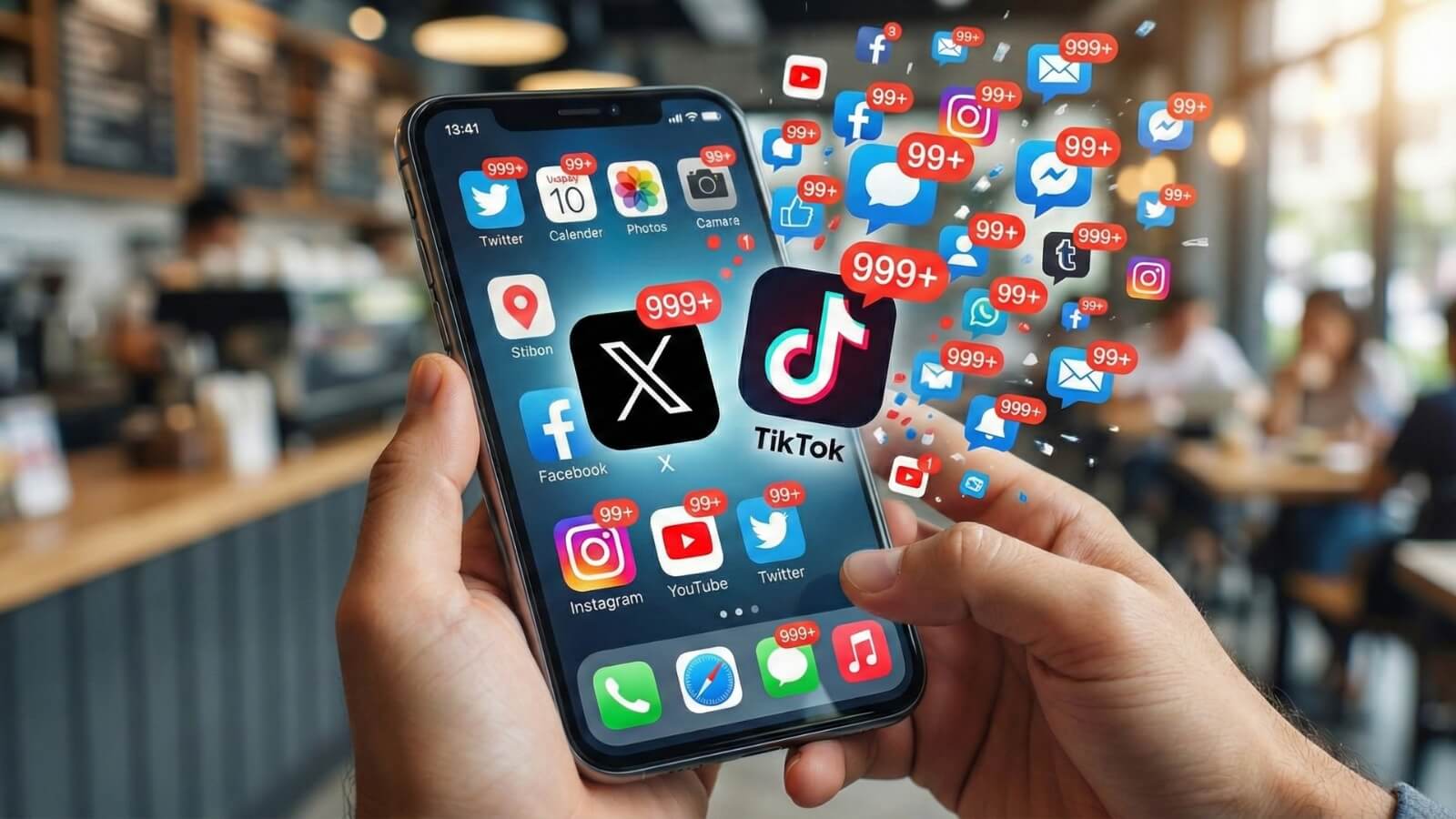
Algorithms on TikTok, X (Twitter), and Instagram prioritize engagement. Unfortunately, AI-generated "shock content" often gets more clicks than boring reality. A single deepfake video can reach millions of views before fact-checkers even see it.
2. Political Manipulation
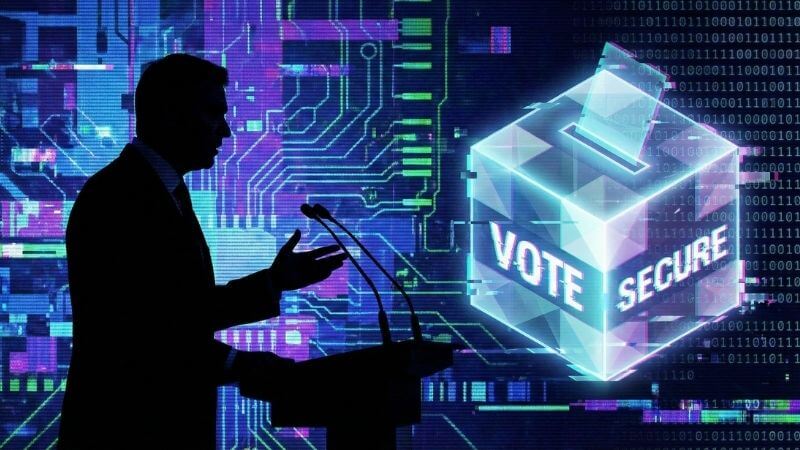
One of the biggest risks of AI misinformation is election interference. We have already seen "audio deepfakes" of politicians saying things they never said. These clips are designed to anger voters and change outcomes just days before an election.
3. Financial Scams & CEO Impersonation
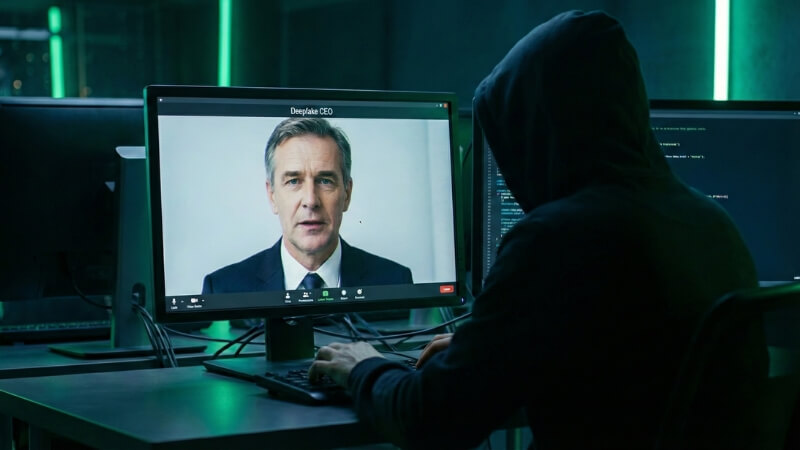
It's not just about politics—it's about money. Scammers are now using real-time video deepfakes to impersonate CEOs on Zoom calls, convincing employees to wire millions of dollars to fraudulent accounts. This is known as "Business Email Compromise" (BEC) 2.0.
4. The Erosion of Digital Trust
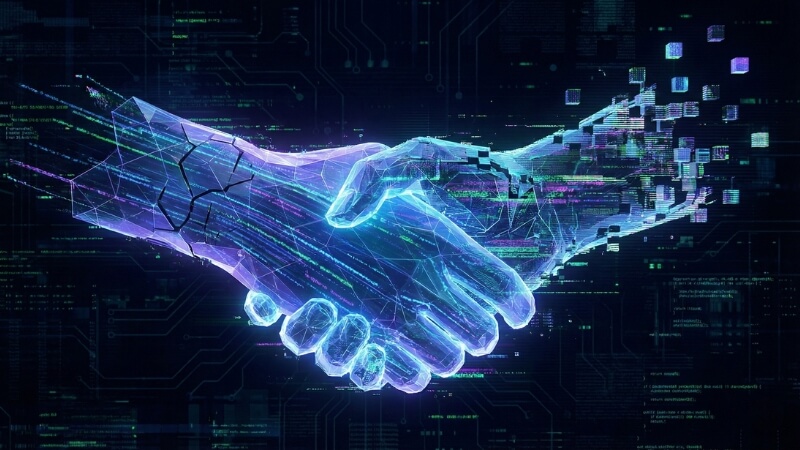
The long-term danger isn't just that people will believe lies. It's that they will stop believing the truth. When everything could be fake, people become cynical and dismiss real evidence of crimes or corruption as "just AI." This is called the "Liar's Dividend."
5. How to Protect Yourself
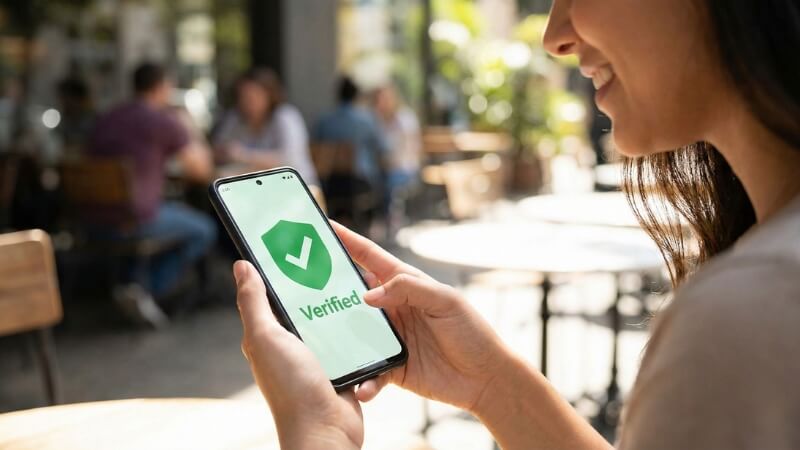
In this new world, "Verify then Trust" is the only safety rule. Never share a sensational video without checking the source. And if a video looks suspicious, run it through a forensic AI detector to analyze its digital fingerprints.
Verify Before You Share
Don't be part of the problem. Scan suspicious videos instantly for free.
SCAN VIDEO NOW